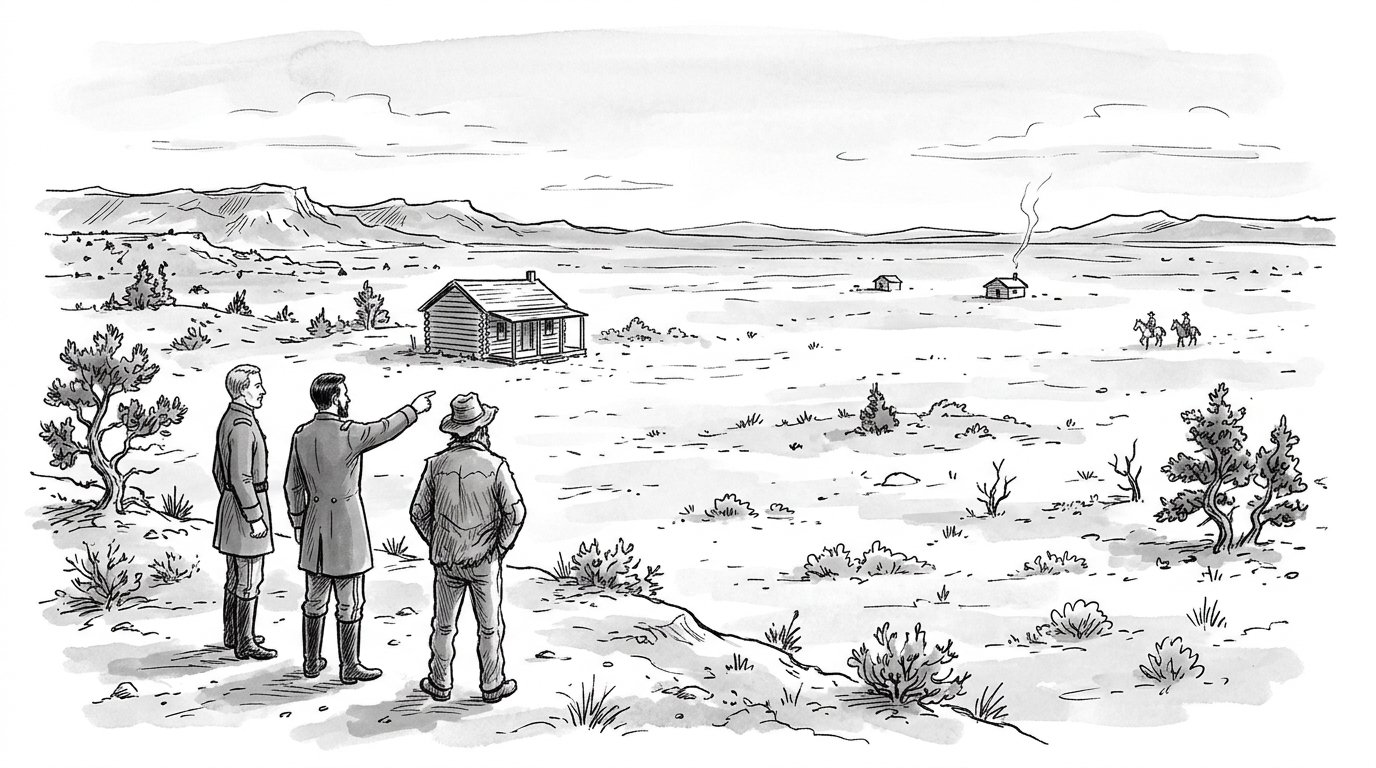
He Built a Town to Build a Bomb. The Rules Came After.
In 1943, babies were born in a town that was not on any map. Some of their birth certificates listed the birthplace as a post office box in Santa Fe, Box 1663.[1] The name of the town, Los Alamos, was itself classified. Documents called it Site Y, or Project Y.[1] The people insi
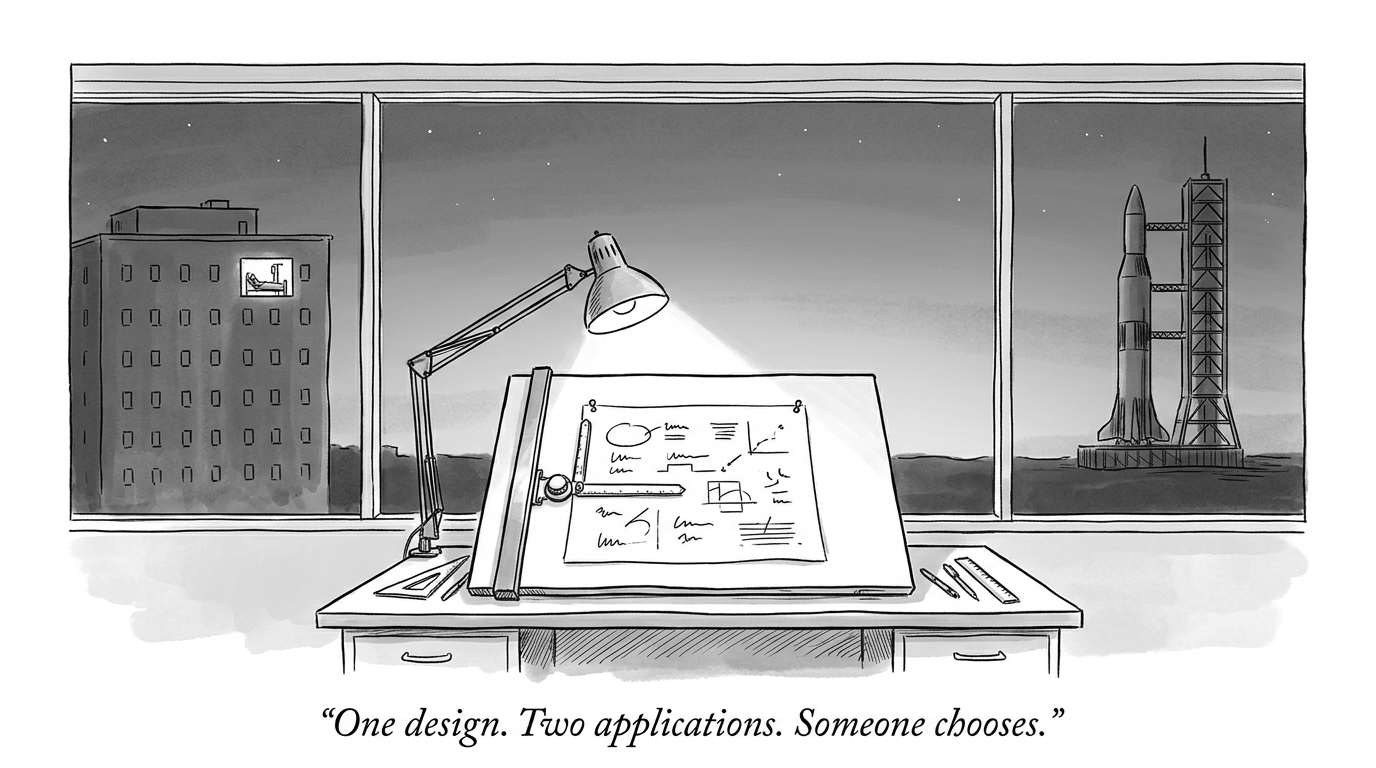
Dual Use Means Dual Use
A rule can be written about a reactor, a person or a treaty. It is harder to write one about an idea. This piece follows one idea from the Institute for Advanced Study in Princeton, through a spaceship driven by bombs, a bird flu paper and an encryption algorithm, and asks what i

Choose the Job That Teaches
Choosing a job is choosing an education. The best early jobs are small teams in rooms that teach, and a founder's early jobs are the transcript an investor can read.

Twenty-Five Minutes From an Ambulance
As rural hospitals close, the ride to care gets longer and the ride starts later. A 2026 Alaska study found a 262-minute median from the call to arrival, and the longest phase was waiting for an aircraft. For investors: ask what pays for the response, and what happens when it cannot be paid.
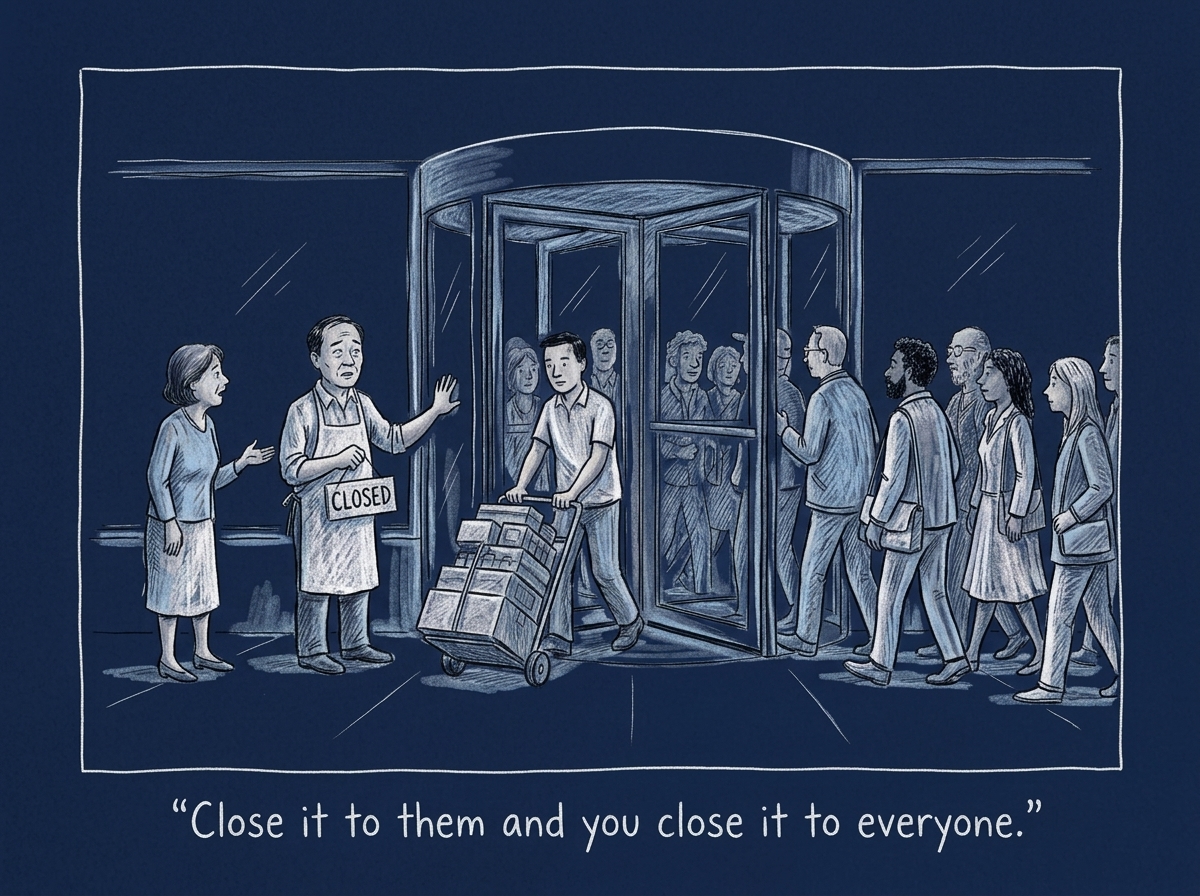
One Crawler, Two Jobs
Publishers weighing a block on Google find one crawler does both jobs: feeding AI summaries and feeding search. Bundling turns a negotiation into an exit. For investors: ask how much of a company's traffic rides on one index and what it could do if the terms changed.
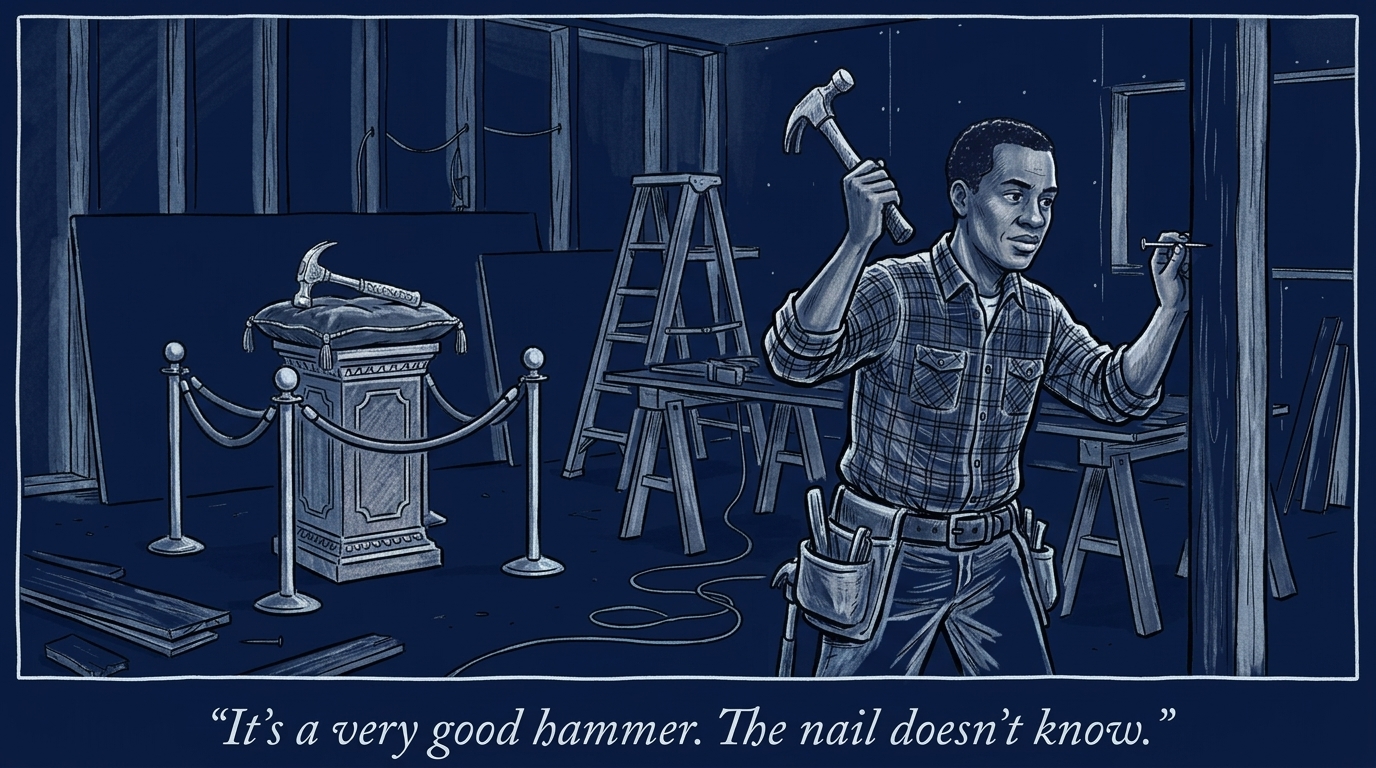
Real Work Does Not Need the Best Model
Most real work runs on sufficiency, not the optimum: open-weight models carry most of the volume at a fraction of the spend, and the frontier keeps its premium only where quality is the one thing that cannot give.
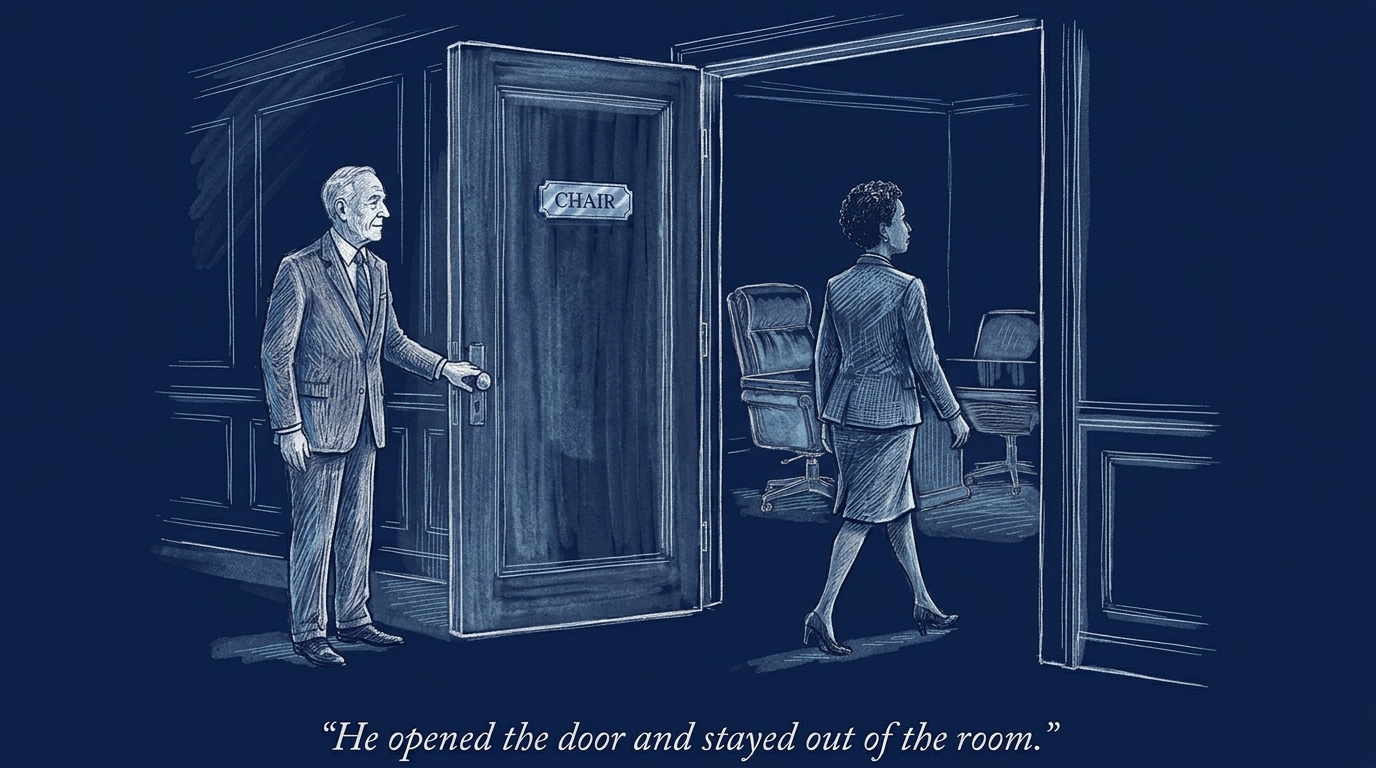
What We Hand Down
A family hands down a structure, not a skill: open the door, take your hand off, judge what the learner makes. For an investor: back the learner.
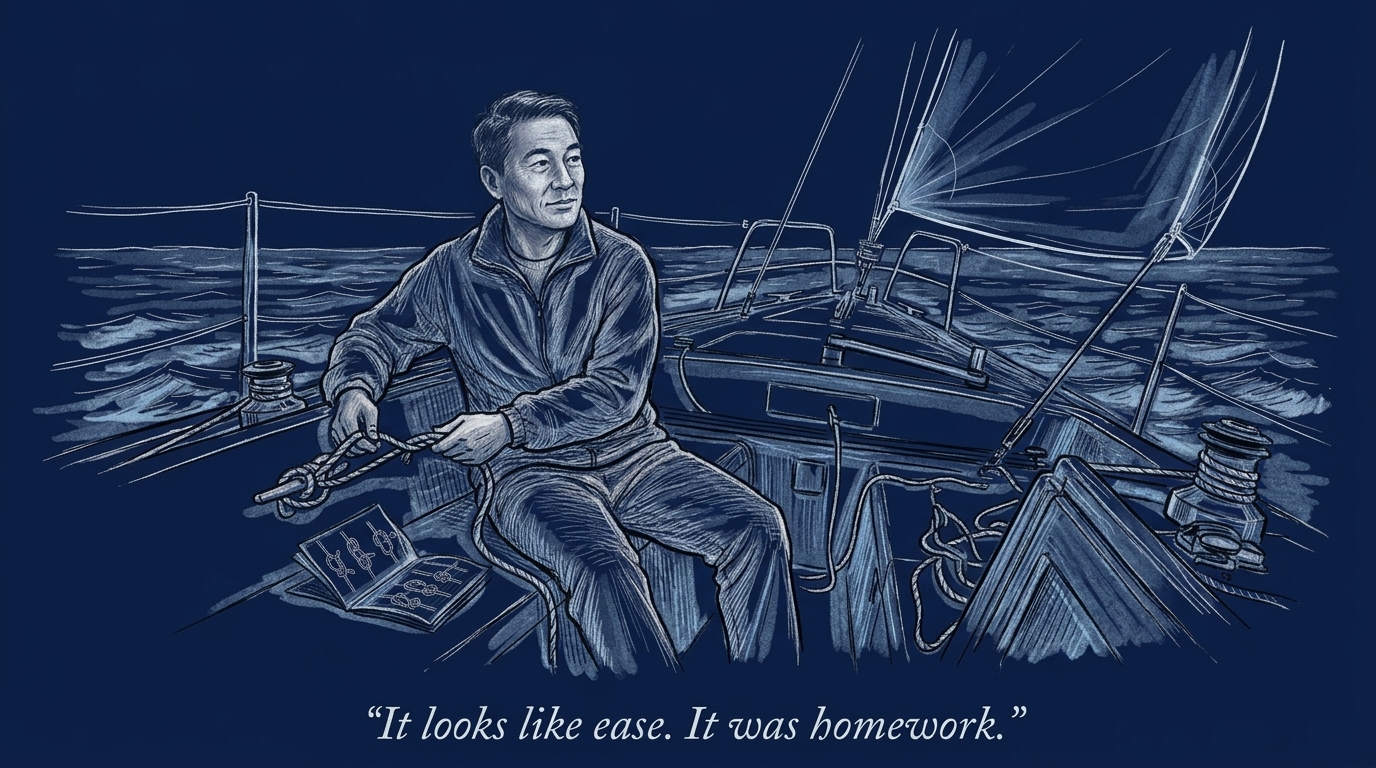
The Second Curriculum
Capacity gets you into the room; a code nobody tells you exists keeps you there, and it can be taught. For an investor: test how fast a founder learns the code, not only the capacity.

The Work Runs Ahead of the Title
Titles trail the work. Read the scope a person ran, who checked it and who promoted them. For an investor: recognition from people with nothing to gain is the best evidence.